

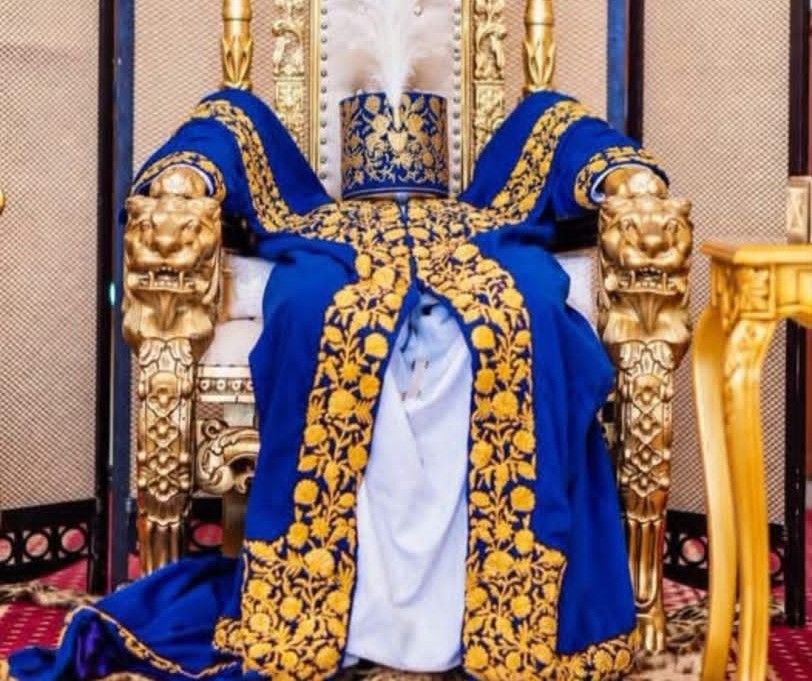
The long-running succession debate in the Tooro Kingdom could be approaching a decisive stage, with the Kiijanangoma family reportedly emerging as the lineage expected to provide the next Omusinga, according to sources with knowledge of the ongoing developments.
Although the name of the reported heir has not yet been disclosed, preparations are said to be underway for the prospective successor to be officially unveiled on Thursday, September 10, 2026.
If the reports are confirmed, the announcement would represent an important moment for the Tooro monarchy, which has been without its late king, Oyo Nyimba Kabamba Iguru Rukidi IV. His death triggered widespread interest in the question of who would eventually assume the throne.
According to sources, the reported choice of a member of the Kiijanangoma family would significantly narrow the field of royal lineages previously associated with discussions about the succession. Among the families whose names had featured in earlier conversations are the Jimmy Mugenyi, David Mathew and Kato lineages.
One of the figures mentioned in connection with the succession discussions is Kamurasi Desmond. A source claims that Kamurasi was previously approached as part of efforts to identify a suitable successor but declined the opportunity to assume the responsibilities of the throne.
The source further alleges that Kamurasi’s position was conveyed in a short message to Margaret Muhanga, the former State Minister for Health during consultations over whether he would accept the role.
According to the source, the message read: “I’m not interested.”
The account suggests that the response could have implications beyond the immediate succession discussions, given the traditional expectations historically associated with members of royal families and their responsibilities to the institution.
“The weight of that decision may only become clear with time,” the source said, implying that Kamurasi’s refusal could influence perceptions of his lineage in future considerations involving the throne.
The source also referred to traditional beliefs about royal obligations, arguing that declining a call to serve the dynasty could historically have been viewed as a serious failure to uphold the interests of the royal house.
Some of the claims surrounding the succession have also extended to recent weather events. However, suggestions that storms or unusual weather were connected to displeasure from royal ancestors remain matters of cultural belief and have not been independently established.
“There are people who believe the storm was a sign of annoyance and that rituals were subsequently performed to calm the ancestors,” the source claimed.
The question of royal succession in the broader Bunyoro-Kitara region has historically been influenced by concepts of leadership, authority, military strength and the ability of a ruler to safeguard the kingdom. Traditional narratives portray kings as leaders responsible for defending their territories, maintaining order and protecting the continuity of the royal institution.
Tooro’s own monarchy developed from the wider Bunyoro-Kitara political tradition before evolving into a distinct kingdom with its own royal identity and institutions.
Against that historical background, the expected announcement is likely to carry significance well beyond the individual who may eventually occupy the throne. It could bring an end to months of uncertainty while establishing a new direction for one of Uganda’s long-standing traditional institutions.
Should the Kiijanangoma family be formally confirmed as the source of the next king, the development would substantially alter the current succession calculations and could, at least temporarily, put to rest speculation surrounding other royal families.
However, the claims remain subject to official confirmation. The Tooro Kingdom is expected to communicate formally on the identity of the heir and the arrangements surrounding the succession before definitive conclusions can be drawn.
Until then, attention is focused on Thursday, September 10, when the reported successor is expected to be publicly identified.